10 Best B2C SaaS Websites in 2026 (With Design Takeaways)
If you're building or revamping a B2C SaaS website, you're designing for a different audience than enterprise software. Consumer products need to connect emotionally, communicate value in seconds, and make the path to signup feel effortless.
According to research from Baymard Institute, the average e-commerce and SaaS checkout abandonment rate is around 70%. For B2C products, reducing friction in the signup flow can dramatically improve conversion.
The best B2C SaaS websites share a few things in common: they prioritize clarity over feature lists, use visuals that evoke feelings rather than just explain functionality, and reduce friction at every step. They understand that consumers make faster decisions than B2B buyers, often in a single session.
We've rounded up 10 of the best B2C SaaS websites in 2026, including examples from fintech, productivity, health, and education. For each one, we'll break down what makes the design work and what you can apply to your own site.
Quick Comparison: Best B2C SaaS Websites
{{freebie}}
1. Table: A Clean, Intuitive SaaS website

Table is an innovative AI-enabled platform that offers CRM-like features for managing all your personal contacts in one place.
Our team at magier has worked with Table to help them create a beautiful site that looks classy and is super easy to navigate.
Right from the moment you land on the homepage, you can tell this site was designed with simplicity and functionality in mind. You’ll notice that we chose a clean, minimalistic layout for the site.
The messaging is front and center, and you know what the product does right away. We deliberately avoided any unnecessary fluff on the homepage that might distract people.
What Makes This Website Stand Out
One of the key things that sets Table apart is its intuitive design. The website prioritizes clarity and flow. You know exactly what service you’ll get and the problem it solves. The navigation is smooth and straightforward—no clutter, no distractions.
You’re not bombarded with endless menus or features. Instead, it’s all laid out in a way that encourages you to take action.
The use of visuals and animations is subtle yet effective. The product’s benefits are shown with brief text snippets and eye-catching icons. The use of emojis throughout the homepage makes it look more inviting. Plus, the call-to-action buttons stand out, guiding you to sign up without feeling pushy.
Main Takeaways
- Don’t overwhelm users with too much information
- Easy navigation is key
- Clear, noticeable buttons to guide action
- Use clean, purposeful images and animations to support your messaging
2. Bling: A Playful, User-Centric SaaS Website

Bling is a German-based financial app designed to help families and kids manage money. Bling came to us with a unique demand. They were looking for a SaaS website that appealed to families and kids.
Our challenge was to create a website that isn’t dry and intimidating but fun and engaging. The playful, colorful design and engaging animations used immediately capture your attention.
What Makes This Website Stand Out?
Bling’s website nails the balance between fun and functional. The design is vibrant, filled with bright colors and illustrations that make financial topics approachable. We designed the navigation carefully so it’s easy to find information whether you’re a parent or a curious kid.
We made sure that the site’s storytelling is strong. It takes you through a journey, showing how the SaaS benefits you through real-life scenarios. We’ve made deliberate attempts to make the site feel less like a sales pitch and more like a friendly guide.
Main Takeaways
- Make your brand approachable, especially if it’s family-focused
- Guide your users through the journey your product offers
- Don’t be afraid to use vibrant visuals to make your website pop
- Navigation should feel effortless and user-friendly
3. Scripe: A Minimal and Purposeful SaaS Website

Scripe is an audio-to-text transcription tool, and its website keeps things ultra-focused.
The homepage is clean, with a no-nonsense approach. The site’s simplicity directly reflects the product itself. Quick, accurate, and easy to use.
What Makes This Website Stand Out?
Scripe’s website doesn’t waste time on frills. The clean, monochrome design feels modern but functional. While it’s slightly heavy on the text, there is ample focus on the product. They’ve done a great job at putting their SaaS service the focus of their homepage.
You immediately know what the service is and how it works. The simple navigation helps you get what you need without any extra clicks. We just loved how the designers used micro-interaction elements like hover effects. It makes the site feel interactive without being too distracting.
Scripe’s website shows that sometimes, less really is more.
Main Takeaways
- Let your product shine with minimal design
- Subtle effects can engage users
- Simple text and visuals can communicate your message quickly
- Fewer clicks = a better user experience
4. Odin: A SaaS Website That Masters Elegance and Simplicity

Odin is a startup that helps founders raise capital, and its website feels unlike any financial SaaS website you might have seen.
When Odin partnered with our team at magier, they wanted to create one of the best B2C SaaS websites that feels unique. They wanted a clean, minimalistic, and ultra-modern design that feels snappy and easy to navigate.
We used a sleek and modern design, with just the right amount of visuals and white space. You’ll see how this design choice makes the site feel fresh and light.
What Makes This Website Stand Out?
Odin’s website is a masterful combination of elegance and functionality. The design is clean, with beautiful typography and well-placed imagery. It does a great job of telling you exactly what the SaaS platform can do for you.
The navigation is smooth, and the pages transition seamlessly, making the whole experience feel high-end and cohesive.
One of the standout features is the balance between visuals and written information. Odin uses minimal text paired with powerful visuals to tell their message. It’s a perfect example of how minimalistic design can take your SaaS website to the next level.
Main Takeaways
- A clean, sophisticated look can elevate your brand
- Use imagery to complement concise messaging
- Keep the user experience fluid and enjoyable
- Don’t overwhelm visitors with too much information
5. Notion: A Highly Functional and Clean SaaS Website

Notion is the ultimate all-in-one workspace tool, and its website reflects the platform’s versatility and simplicity.
The site is well-designed, focusing on ease of use while showcasing the product’s endless possibilities. Right away, you’ll see how Notion can fit into your workflow without feeling bombarded with technical jargon.
What Makes This Website Stand Out?
Notion’s website strikes a good balance between product information and supportive visuals. The homepage uses product demos and animated graphics that instantly give you a taste of what Notion can do.
We also love the clear hierarchy of content. It’s easy to explore different features, and you don’t need to jump through hoops just to find a hidden menu.
Another thing that Notion does right is keep the website user-friendly. You’ll soon feel at home navigating the website. The live previews and customization options also give you a interactive experience.
Notion’s website is a perfect example of how the best B2C SaaS websites keep things simple and their users front and center.
What You Should Take Away?
- Use interactive product previews to engage users
- Make sure visitors can find what they need quickly
- Keep your design clean and content digestible
- Guide the user’s eye with a clear structure.
6. Superlist: A Modern SaaS Website with Bold, Minimal Design

Superlist is a modern task management tool, and its website reflects the brand’s core values - simplicity and efficiency.
The design is ultra-modern, with bold typography and generous whitespace that makes the site feel fresh and uncluttered.
What Makes This Website Stand Out?
Superlist’s website keeps things minimal while making a statement. The striking typography immediately draws your attention. The site’s clear, simple structure doesn’t let you feel overwhelmed. The navigation is intuitive, and the use of whitespace gives the site an airy, open feel that makes you want to explore it more.
There’s also a nice balance between text and visuals, with product screenshots doing most of the talking. It’s a clean, distraction-free approach that keeps you focused on the product itself.
Main Takeaways
- Don’t be afraid to let your fonts make a statement
- Keep your design open and airy to reduce clutter
- Let the product be the star by avoiding unnecessary elements
- Use screenshots or product images to show, not just tell
7. Calm: Setting The Tone With Emotional Design
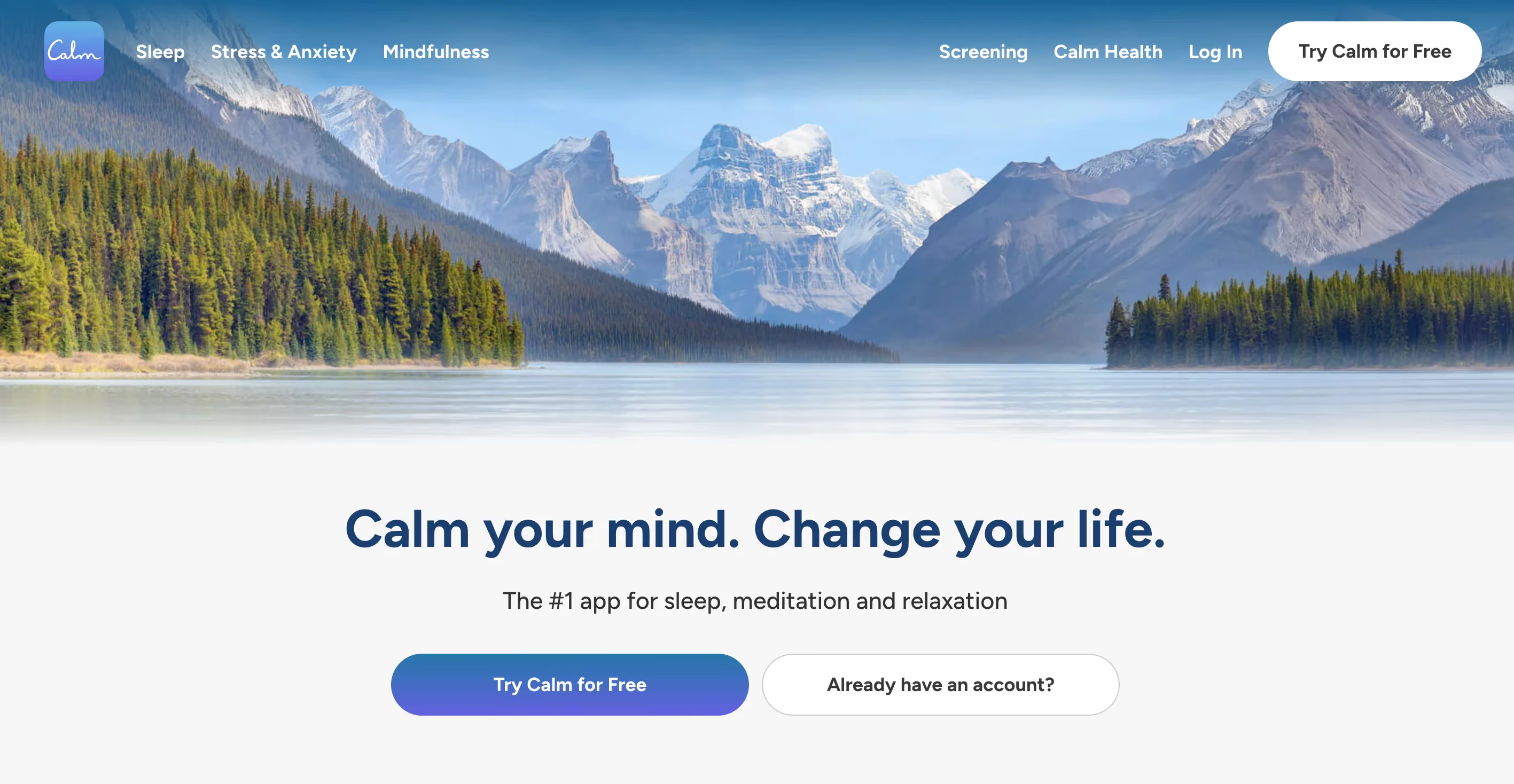
Calm is the meditation and sleep app that has become synonymous with digital wellness. Its website immediately sets a serene tone that mirrors the product experience.
The hero section uses a calming, minimalist image that focuses on user emotional needs rather than features. There's no cluttered navigation, no aggressive sales copy. The site feels like taking a breath.
What Makes This Website Stand Out
Calm's website is a masterclass in emotional design. The color palette, imagery, and even the pace of animations all work together to create a sense of tranquility. You feel calmer just browsing the site, which is exactly the value proposition they're selling.
The CTAs are soft but clear. Instead of "Sign Up Now" or "Start Free Trial," Calm uses language that feels inviting rather than pushy. The pricing is transparent, and the path to download is frictionless.
Main Takeaways
- Match your website's tone to your product's emotional benefit
- Use imagery that evokes feelings, not just shows features
- Keep navigation simple to maintain the experience
- Let the design itself demonstrate the value proposition
8. Duolingo: Making Learning Feel Like Play
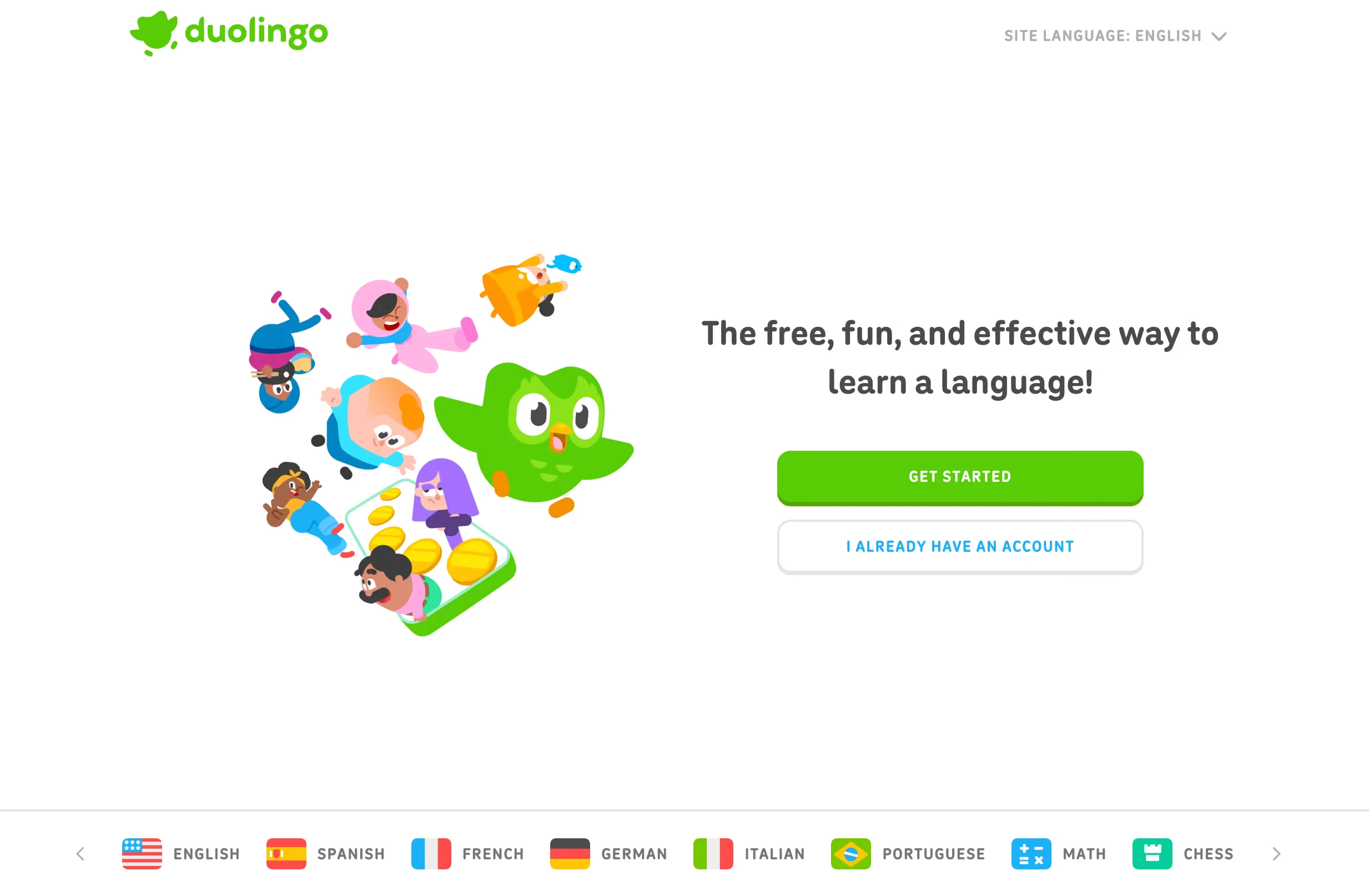
Duolingo has redefined how educational software can look and feel. Its website uses cartoon-style illustrations, gamification elements, and a playful tone that makes language learning feel accessible and fun.
The homepage immediately shows the product's personality: the friendly owl mascot, bright colors, and casual copy that avoids academic stuffiness. The value proposition is crystal clear within seconds.
What Makes This Website Stand Out
Duolingo's website perfectly reflects its product. The gamified, streak-based learning experience is hinted at throughout the design. Progress bars, achievement badges, and competitive elements appear even before you sign up.
The site also handles a complex product portfolio well. Duolingo offers multiple products (language learning, math, music, ABC for kids), and the navigation makes it easy to explore without overwhelming visitors.
Main Takeaways
- Use illustrations and mascots to create brand personality
- Gamification elements can work on websites, not just in-app
- Match your website's energy to your product's experience
- Clear, playful copy outperforms corporate language for consumer products
9. Copilot Money: Making Personal Finance Feel Accessible
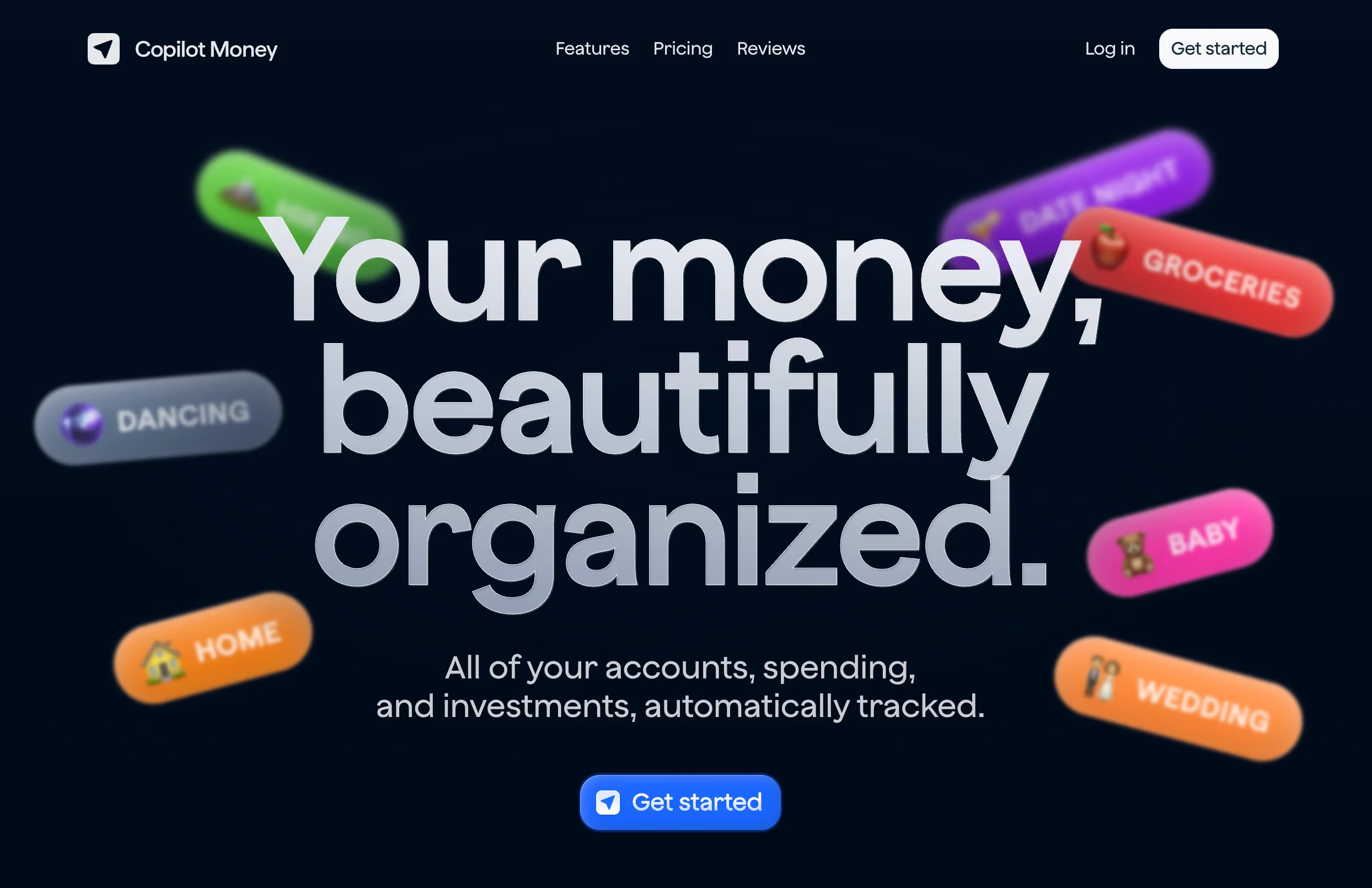
Copilot Money is a budgeting app that uses modern UI to make personal finance feel approachable rather than intimidating. The website immediately communicates this with a clean, contemporary design that avoids the corporate feel of traditional financial software.
The hero section shows the product interface directly, giving visitors an immediate sense of what they'll get. The design is polished but warm, using subtle colors and rounded elements that feel friendly.
What Makes This Website Stand Out
Personal finance is a category where trust matters enormously. Copilot's website builds trust through design sophistication rather than security badges and corporate imagery. It feels like an app you'd want to use, not one you have to use.
The product screenshots throughout the page do the heavy lifting. Instead of describing features in paragraphs, Copilot shows them visually. This "show, don't tell" approach works especially well for B2C products where users want to see what they're getting.
Main Takeaways
- Show your product interface early and often
- Modern, polished design builds trust in financial products
- Visuals can replace feature descriptions for consumer apps
- Warmth and approachability beat corporate formality
10. Typeform: Interactive Storytelling On The Homepage
.avif)
Typeform makes forms and surveys, but its website goes far beyond showing templates. The homepage features colorful, animated design that showcases the product's interactivity directly on the page.
Rather than describing what Typeform forms feel like, the website lets you experience them. Interactive elements and product demos appear throughout, turning the homepage into a product walkthrough.
What Makes This Website Stand Out
Typeform's website demonstrates a key B2C principle: show the experience, don't just describe it. The animations and interactive elements give visitors a taste of what using Typeform feels like before they sign up.
The design is also distinctly branded. Typeform's visual identity is strong enough that you'd recognize their style anywhere. This consistency builds brand recognition and trust, especially important in a competitive market.
Main Takeaways
- Interactive demos can replace static screenshots
- Animation should be purposeful, not decorative
- Strong visual identity makes your brand memorable
- Let visitors experience your product on the homepage
If yours is a medical/healthtech website, we recommend you check this blog on the best medical websites, too.
Key Design Elements For B2C SaaS Success
Across these examples, several design patterns emerge consistently. Here's what the best B2C SaaS websites get right.
Clarity Above The Fold
Visitors should understand what your product does and who it's for within 5 seconds of landing on your homepage. The best B2C sites communicate their value proposition in a single headline, supported by a subheading or visual that reinforces the message.
Emotional Imagery
B2C websites use visuals that evoke feelings of ease, success, or happiness rather than just listing features. Calm shows peaceful scenes. Duolingo shows joyful learning. Bling shows happy families. The imagery sells the outcome, not the tool. You can find such imageries for free in these platforms.
Strategic Motion And Animation
Subtle animations guide users through the page and create a sense of polish. But the motion is purposeful, not distracting. It draws attention to CTAs, demonstrates product functionality, or creates brand personality. If you need royalty free videos for your animation, you can find them here.
Minimalist UI
The best B2C sites reduce cognitive load by keeping layouts clean. They use whitespace generously, limit navigation options, and avoid cramming too much information above the fold. The focus stays on the product and the primary CTA.
Social Proof Placement
Customer testimonials, user counts, app store ratings, and recognizable logos appear prominently but don't overwhelm. They build trust without making the page feel like a sales brochure.
What Makes B2C SaaS Websites Different From B2B
B2C and B2B SaaS websites serve different buyers with different decision-making processes. Understanding these differences is essential for designing a site that converts.
Decision Speed
B2C buyers often decide in a single session. B2B buyers may take weeks or months, involving multiple stakeholders. This means B2C sites need to communicate value and drive action immediately, not nurture leads over time.
Emotional vs. Rational Appeal
B2C websites lean into how the product makes users feel. Calm's serene imagery, Duolingo's playful illustrations, and Bling's family-focused design all prioritize emotional connection. B2B sites focus more on ROI, efficiency, and solving business problems.
Self-service Model
Most B2C SaaS products are designed for users to sign up, onboard, and start using without talking to sales. The website is the entire sales funnel, which means every element needs to reduce friction and guide users toward signup.
Pricing Transparency
B2C users expect to see pricing upfront. Hidden pricing or "contact sales" buttons that work for enterprise software will kill conversion on consumer products.
Mobile-first
A significant portion of B2C traffic comes from mobile devices. The site needs to work flawlessly on phones, with touch-friendly CTAs and fast load times.
Quick Comparison: Difference Between B2C and B2B Websites
Final Words
A standout SaaS website has a seamless user experience that engages visitors and communicates your brand’s value. The best B2C SaaS websites balance clean, modern design with functionality. They’re easy to navigate and nudge the visitors to take action without being too pushy.
Take cues from the websites above: use bold fonts, clean layouts, and strategic visuals to communicate your message. With the right combination of creativity and functionality, you can design a SaaS website that looks great and drives results.
FAQ
Best practices for SaaS websites include clear and concise messaging, prominent CTAs, fast loading times, and mobile-friendly layouts. It’s also important to showcase customer success stories or testimonials to build trust and provide easy access to support or live chat for real-time assistance.
You should prioritize simplicity to make your SaaS website user-friendly. Keep navigation intuitive and minimize clutter. Use clear language, easy-to-find CTAs, and responsive design. Don’t overwhelm visitors with too much information upfront—guide them toward what they need step by step.
Top SaaS website designs have a few things in common. They focus on simplicity, intuitive navigation, and clear messaging. These websites use bold fonts, clean layouts, and visuals that highlight the product. Their CTAs are prominent and effortlessly guide users to take the next step.
Extremely important. A significant portion of consumer traffic comes from mobile devices, and many B2C products (especially apps) are primarily used on mobile. Your website needs to load fast, have touch-friendly buttons, and display correctly on smaller screens. Google also uses mobile-first indexing, so mobile performance affects your search rankings.
B2C websites prioritize emotional appeal, fast decision-making, and self-service signup. They use playful design, show pricing upfront, and focus on individual user benefits. B2B websites focus more on ROI, efficiency, and solving business problems. They often include "request a demo" or "contact sales" CTAs, feature enterprise-focused social proof, and may have longer content that addresses multiple stakeholders.
Best practices include using clear and concise messaging, prominent CTAs, fast loading times (under 2.5 seconds), and mobile-friendly layouts. Showcase customer success stories or testimonials to build trust. Provide easy access to support or live chat. Show transparent pricing. Use product screenshots or demos to let visitors see what they're getting. Include security and trust signals for products that handle sensitive data.
Prioritize simplicity and minimize clutter. Use clear language that avoids jargon. Make navigation intuitive with no more than 5-7 main menu items. Ensure CTAs are easy to find and describe the action clearly. Use responsive design that works on mobile. Don't overwhelm visitors with too much information upfront. Instead, guide them through what they need step by step.
Top B2C SaaS websites share several features: they communicate their value proposition within 5 seconds, use emotional imagery that shows outcomes rather than features, keep navigation simple and intuitive, include prominent but non-pushy CTAs, display social proof (testimonials, ratings, user counts), and load quickly on mobile devices. The best sites match their design tone to their product's emotional benefit.


.avif)