Best Ecommerce Website Designs in 2026 (With Examples and Tips)
In Ecommerce, first impressions matter… a lot.
You are competing with thousands of other stores for the attention and the trust of potential clients. According to Shopify,gGlobal ecommerce sales will reach $6.88 trillion in 2026, making up 21.1% of all retail. This makes the gravity of first impression a lot more heavy. And that is where a good website comes into play.
A beautifully designed website will grab the attention of visitors, making them more likely to stay, explore, and ultimately make a purchase. Great design isn’t just about aesthetics; it plays a crucial role in usability, trust, and conversion rates. It ensures that customers can easily find what they’re looking for, understand your offering, and navigate the site without frustration.
So, what makes an ecommerce website "best in class"?
It’s a blend of several factors:
↳ an intuitive user experience (UX)
↳ branding
↳ mobile responsiveness
↳ visual appeal
↳ fast loading speed
↳ a clear unique selling proposition (USP)
You can use all these elements and more to create a seamless experience and significantly boost sales and customer loyalty.
Our designers and Webflow developers at Magier have worked with over 30+ ecommerce brands to upgrade their branding, UI/UX and more. If you want to dive in-depth into conversion rate optimization, check out our ultimate ecommerce CRO guide + free checklist.
{{freebie}}
What is an Ecommerce Website?
An ecommerce website is an online storefront where businesses sell products or services directly to customers over the internet. It handles everything from product browsing and search to payment processing and order fulfillment.
Ecommerce websites can range from small single-product Shopify stores to massive marketplaces like Amazon and Etsy. They typically include product catalogs, shopping carts, secure checkout systems, and customer account management.
In 2026, the global ecommerce market is projected to reach $6.88 trillion, representing over 21% of all retail commerce worldwide. That means more than one in five purchases now happens on an ecommerce website, and that number keeps climbing.
{{cta}}
What Makes a Great Ecom Website?
User Experience (UX)
Easy navigation, clear calls to action & a hassle-free checkout process. A well-thought-out UX design can reduce bounce rates and increase conversion rates by guiding users effortlessly through the site.
According to research from the Baymard Institute, the average cart abandonment rate across ecommerce sites is around 70%. The top reasons include unexpected costs, mandatory account creation, and overly complex checkout processes. A well-designed UX addresses all three by keeping the purchase path short, transparent, and friction-free.
Branding
Branding is a critical factor that differentiates your site from competitors. A strong brand identity helps build trust and recognition among customers. Consistent use of colors, logos, and messaging throughout the website reinforces brand identity, making your ecom site memorable and trustworthy.
Need help with your branding? View examples of our branding projects at magier and book a demo to learn more.
Mobile Responsiveness
More and more people are shopping on their phones directly. Having a mobile-responsive site is a non-negotiable. A best-in-class ecommerce website looks and works great on all devices, whether it’s a desktop, tablet, or phone. This adaptability ensures that you’re not losing customers due to a poor mobile experience.
Mobile commerce now accounts for nearly 59% of all online retail sales globally. If your ecommerce site isn't optimized for mobile, you're potentially losing more than half your traffic before they even see your products. Features like thumb-friendly navigation, simplified mobile checkout, and responsive product imagery aren't optional anymore.
Visual Appeal
Visual appeal is what draws people in and keeps them engaged. This includes high-quality images, a clean layout, and a cohesive color scheme that reflects your brand. Good design isn’t just pretty; it’s functional, making it easy for users to find what they’re looking for without distraction.
Loading Speed
Speed is everything. If your site takes too long to load, your potential customers will probably leave before it even loads. A great site loads quickly, providing a smooth experience without frustrating the user.
Research consistently shows that a one-second delay in page load time can result in a 7% drop in conversions. The best ecommerce sites load in under two seconds. Tools like Google PageSpeed Insights and GTmetrix can give you a clear picture of where your site stands.
Unique Selling Proposition (USP)
Your USP is what sets you apart from the competition. It’s the unique value you offer that makes customers choose you over others. A clear and compelling USP should be prominently displayed and communicated throughout your website, ensuring that visitors understand why your product or service is the best choice.
Checkout Optimization and Guest Checkout
About 23% of consumers will abandon their cart if they're forced to create an account before purchasing. The best ecommerce websites offer guest checkout as the default option, with an easy "create an account" prompt after the purchase is complete. One-click payment options like Apple Pay, Google Pay, and Shop Pay are also becoming standard, especially on Shopify-powered stores.
Trust Signals and Security
Trust is what separates a browsing session from a completed purchase. The top ecommerce sites make sure to display SSL certificates, payment security badges, clear return policies, and verified customer reviews prominently. GDPR compliance notices and transparent privacy policies also play a role, especially for international stores. If a visitor doesn't feel safe entering their credit card information, nothing else on your site matters.
Now onto our selection of highlights:
10 Beautiful and UX Optimized Websites to get inspired by
1. Yepoda
Yepoda’s website is minimalistic but visually stunning. The site is easy to navigate, and the product pages are rich with high-quality images and detailed descriptions. Checkout is quick and straightforward, making the overall shopping experience smooth and enjoyable.
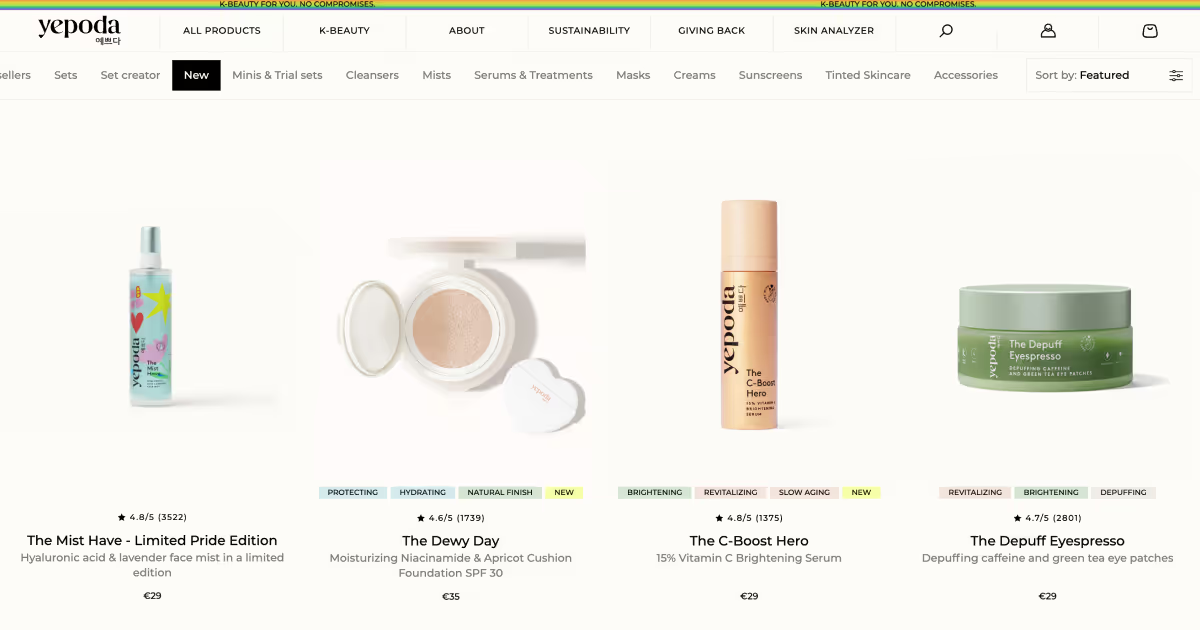
💜 Link to Website: Yepoda
2. Waterdrop
Waterdrop uses bright, engaging visuals to draw in customers. The site is easy to navigate, with intuitive product categories and detailed information on each item. Users can quickly find what they need, and the checkout process is seamless.
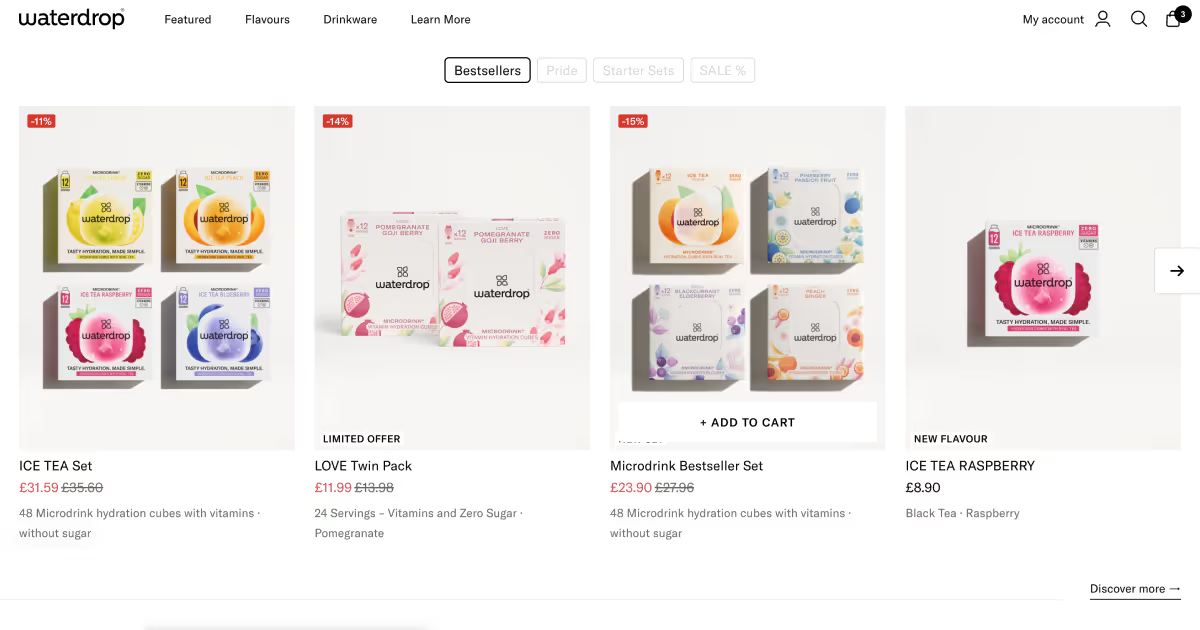
💜 Link to Website: Waterdrop
3. Daylight
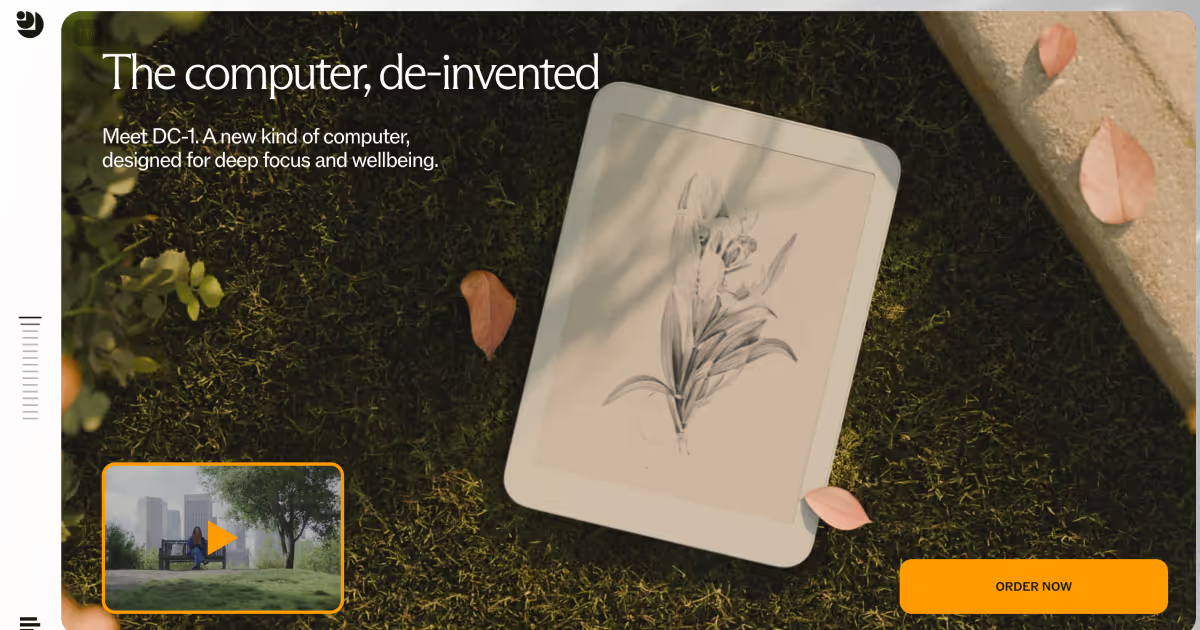
Daylight Computer’s sleek, modern design focuses on stunning product visuals. The website is fast and responsive, with an intuitive product filtering system and comprehensive technical specs, making it easy for users to find and understand their products.
💜 Link to Website: Daylight
4. Bite Toothpaste
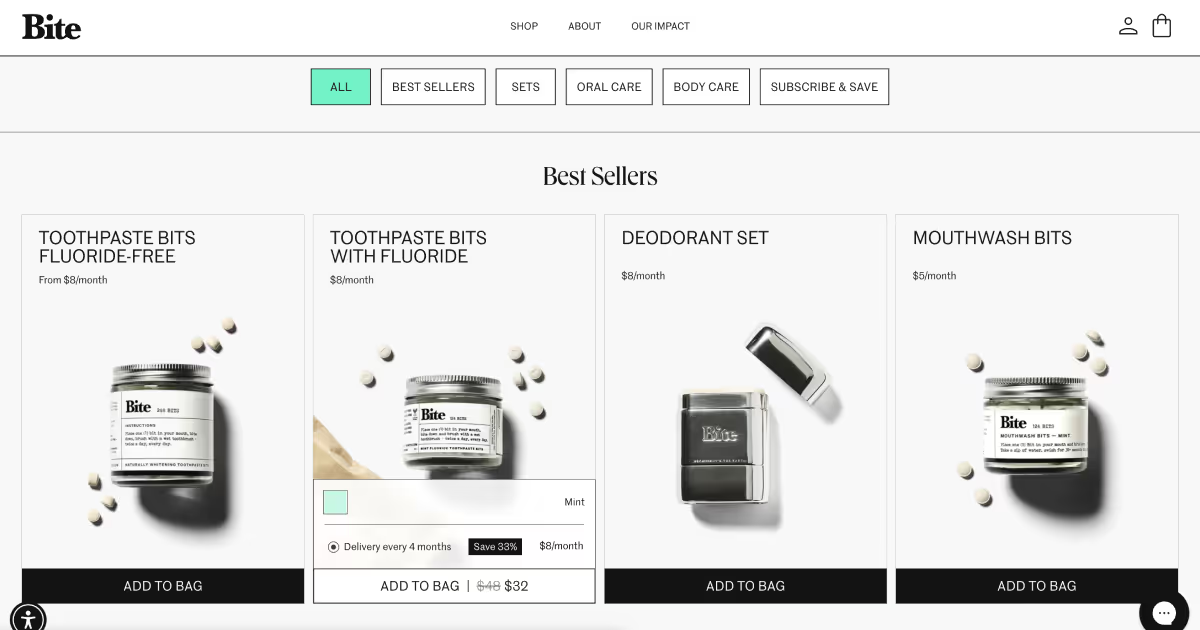
Bite Toothpaste’s site emphasizes eco-friendliness with a clean, engaging design. Navigation is simple, with clear benefits and usage instructions. Personalized content, including founder stories and sustainability efforts, adds to the appeal.
💜 Link to Website: Bite Toothpaste
5. Argie
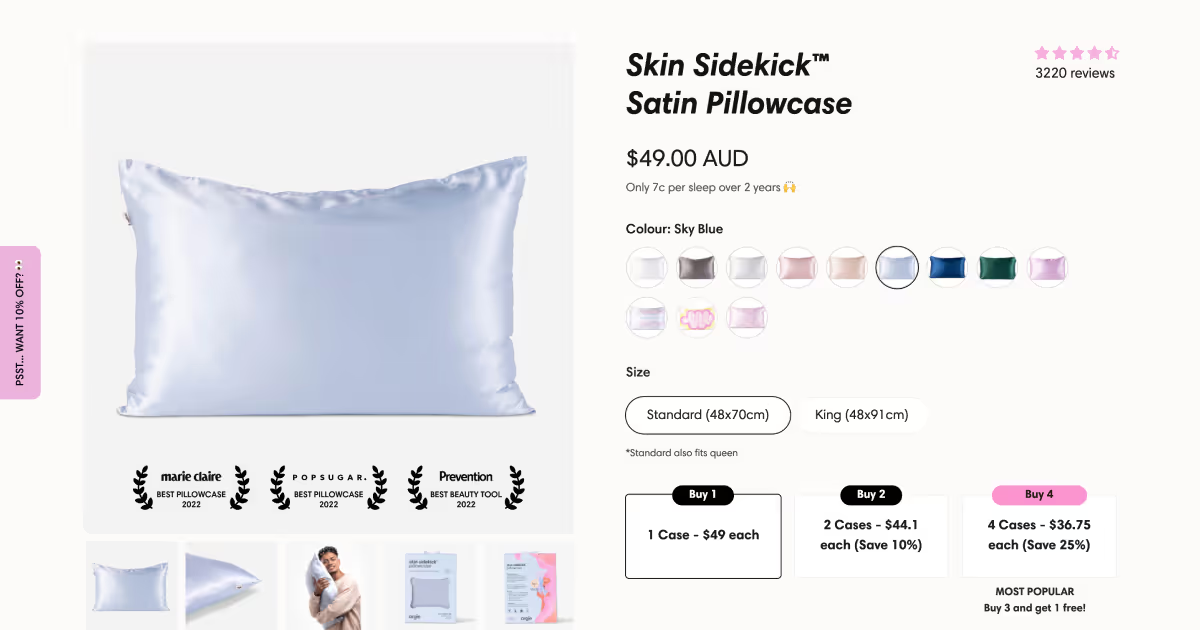
Argie’s vibrant and playful design captures attention right away. The website is easy to navigate, and the checkout process is smooth. Detailed product information and engaging visuals make it a delightful shopping experience.
💜 Link to Website: Argie
Argie also have some great social ads, here's a little ad + landing page breakdown we recently poublished on our LinkedIn account. Follow us for more breakdowns!
6. Allbirds
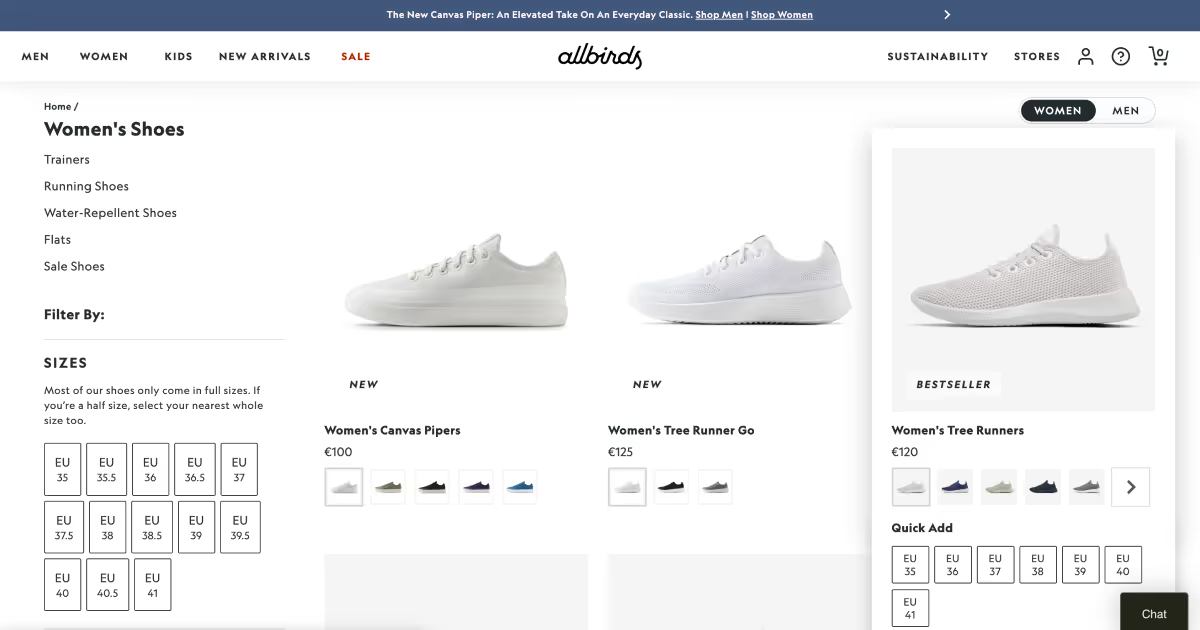
Allbirds keeps it simple yet effective. Their site prioritizes functionality, ensuring quick loading times and easy navigation. The focus is on their sustainable product offerings, presented through high-quality images and clear, concise content.
💜 Link to Website: Allbirds
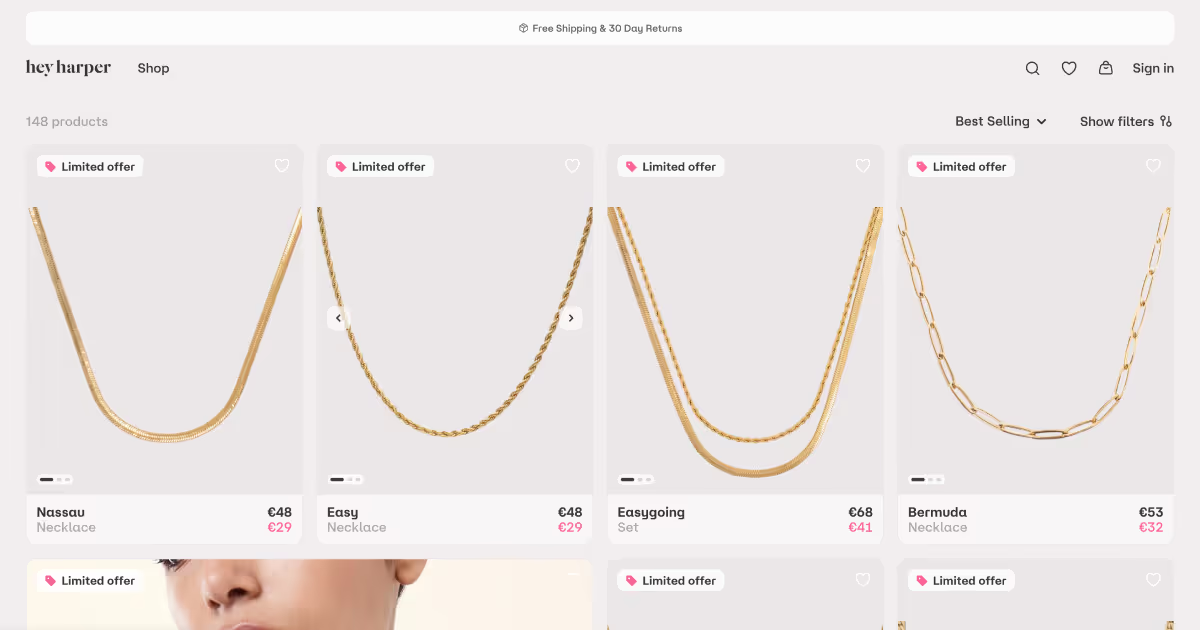
7. HeyHarper
HeyHarper stands out with its trendy and engaging design. The site is very user-friendly, especially on mobile. High-quality images and detailed product descriptions help shoppers make informed decisions easily.
💜 Link to Website: HeyHarper
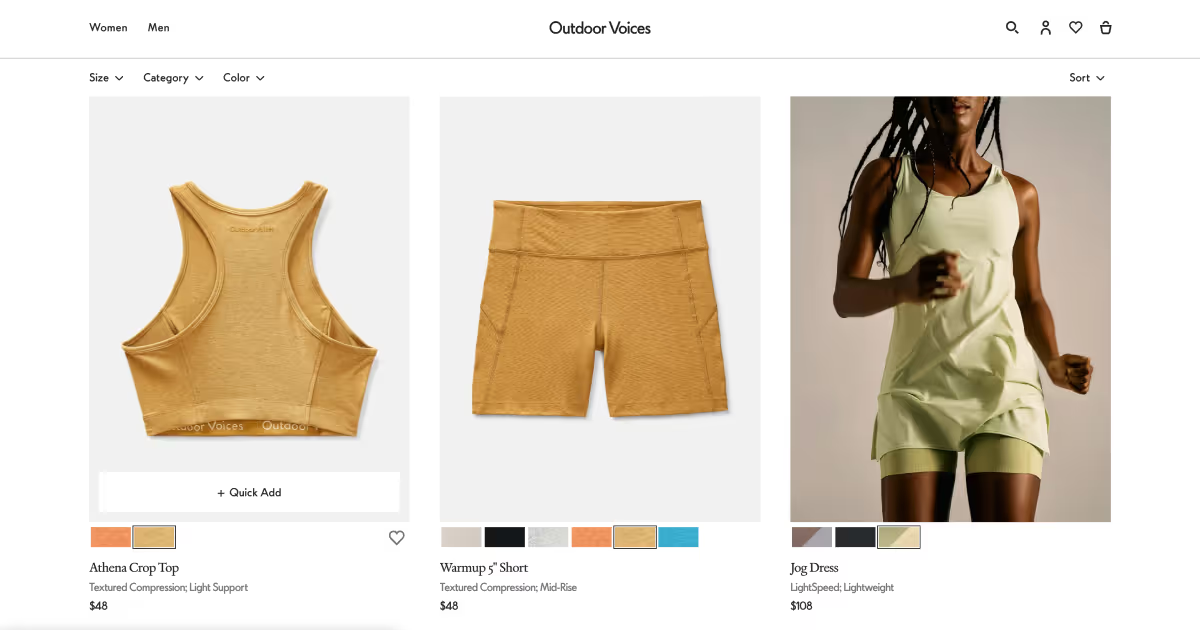
8. Outdoor Voices
Outdoor Voices combines fresh design with functionality. The site is intuitive, making it easy to browse through products. Inspiring product descriptions and lifestyle images enhance the shopping experience.
💜 Link to Website: Outdoor Voices
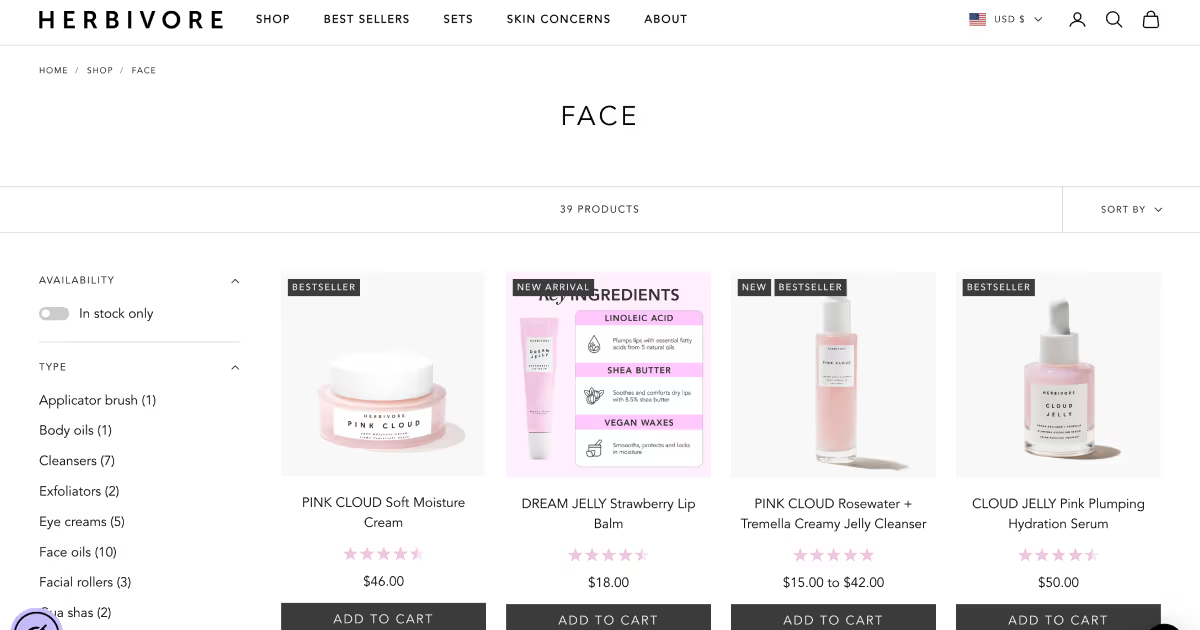
9. Herbivore Botanicals
Herbivore Botanicals’ site is calming and beautifully designed, using a natural color palette. The user experience is seamless, with informative product pages and a straightforward checkout process.
💜 Link to Website: Herbivore Botanicals
10. LARQ
LARQ’s website showcases innovation with a clean, modern design. The site is fast, responsive, and easy to navigate. Detailed product descriptions and customer testimonials enhance credibility and help in decision-making.

💜 Link to Website: LARQ
Free Template: Ecommerce Conversion Rate Optimization - 280+ CRO Steps

It's 2026, and if your Ecom site is still not optimized, you'll lose potential sales every day. But... where do you even start?
This is where our Ecommerce Conversion Rate Optimisation Checklist comes in. Packed with over 280+ actionable tips, it will help you tackle your website's weaknesses step-by-step, and - best of all - it's completely free.
With that out of the way, I'd like to share some quick tips with you when thinking of designing your website:
10 Best Ecom Website Design Tips
Designing an Ecom website that stands out and converts visitors into customers is no small feat. Here are ten tips to help you get going:
1. Embrace Minimalism
Keep your design clean and uncluttered. In times of doubt, less is definitely more. Custom illustrations and icons can help highlight your products and create a more enjoyable browsing experience.
2. Use a Consistent Color Scheme
Choose a color palette that reflects your brand and use it consistently across your website. This helps create a cohesive and professional look.
3. Prioritize Readable Typography
Select easy-to-read fonts from your brand identity and maintain a clear hierarchy with headings, subheadings, and body text. Proper typography enhances readability and user experience.
4. Incorporate High-Quality Imagery
Utilize high-resolution images for your products. Clear and detailed visuals can significantly impact a customer's buying decision.
5. Leverage White Space
Don’t be afraid of white space. It helps break up the page, making it easier to navigate and allowing key elements to stand out.
6. Design Intuitive Navigation
Ensure your navigation is straightforward and intuitive. Use clear labels and logical menu structures to help users find what they need quickly.
7. Highlight CTAs with Contrasting Colors
Make your call-to-action (CTA) buttons stand out by using contrasting colors. This draws the user’s eye and encourages them to take action.
8. Create Visually Appealing Product Pages
Design product pages that are both informative and visually appealing. Use a mix of images, videos, UGC, and detailed descriptions to showcase your products effectively.
9. Incorporate Interactive Elements
Add interactive design elements such as hover effects, animated transitions, and interactive product sliders. These can enhance user engagement and make your site feel more dynamic.
10. Ensure Mobile-Friendly Design
Design with mobile users in mind. A responsive design ensures your website looks and functions well on all device sizes, providing a seamless experience for every user.
Now, let's move on to what's currently trending:
Ecommerce Website Design Trends for 2026
AI-powered Shopping Experiences
AI is no longer just powering chatbots. In 2026, ecommerce sites are using AI for dynamic product recommendations, visual search (where shoppers upload a photo to find similar products), predictive inventory displays, and personalized homepage layouts. Shopify's "Shopify Magic" tools, for example, now help merchants generate product descriptions, edit images, and personalize storefronts using AI. According to industry data, nearly 70% of ecommerce companies are now using some form of AI to personalize experiences or predict demand.
Augmented Reality (AR) Product Previews
AR is moving from "nice to have" to expected, especially in categories like furniture, eyewear, and beauty. Brands like Crate & Barrel and Warby Parker let customers preview products in their own environment before purchasing. This reduces return rates and increases purchase confidence, two things every ecommerce brand cares about.
Headless and Composable Architecture
More enterprise and mid-market brands are adopting headless commerce, where the frontend (what shoppers see) is decoupled from the backend (where orders, payments, and inventory are managed). This gives brands more flexibility to create custom shopping experiences without being locked into a single platform's design limitations. Headless adoption was around 6% in 2024 and is projected to reach 25% by 2028, with early adopters seeing roughly 31% faster page load times and 18% higher conversion rates.
Social Commerce Integration
Social commerce sales are expected to reach $2.9 trillion globally by 2026. The best ecommerce sites are now deeply integrated with platforms like Instagram, TikTok, and Pinterest, allowing shoppers to buy directly from social feeds without ever visiting the main website. About 50% of social media users in the US have now made at least one purchase through a social channel.
Voice and Conversational Commerce
Voice search and conversational AI are creating new ways to shop. Ecommerce sites that structure their content with natural language queries in mind (think FAQ-style product info, conversational product descriptions) are better positioned to capture voice search traffic and AI referral traffic, which saw a 1,247% increase in conversions in late 2025.
These trends enhance the user experience, making sites more engaging and efficient.
Take some time to explore the websites I've highlighted. They are great examples of how these trends can be implemented effectively and seamlessly. By understanding and applying these design principles, you can create a more engaging, user-friendly, and successful ecom site. Good luck!!
Which Ecommerce Platform Should You Use?
The right platform depends on your business size, technical resources, and growth plans. Here's a quick breakdown of the most popular options:
Most of the websites in this blog post run on Shopify or Shopify Plus, which tells you something about the platform's design flexibility. But the best ecommerce platform is always the one that fits your specific needs and budget.
FAQ about Ecom Web Design
Which ecommerce website is best?
It depends on what you're looking for. For design inspiration, brands like Nike, Glossier, and Allbirds set the standard for clean, conversion-focused UX. For platforms to build your own store, Shopify is the most popular choice, powering over 29% of all ecommerce sites globally. BigCommerce and WooCommerce are strong alternatives for businesses that need more built-in features or full customization control.
What are the 5 C's of ecommerce?
The 5 C's of ecommerce are Content (quality product information and descriptions), Commerce (the actual buying and selling infrastructure), Community (user reviews, forums, and social engagement), Context (personalized experiences based on user behavior), and Connection (integrations with social media, email, and other channels). Together, they form the foundation of a well-rounded online store.
How do I build an ecommerce website?
Start by choosing a platform like Shopify, WooCommerce, or BigCommerce. From there, select a theme or hire a designer to create a custom storefront. Set up your product catalog, configure payment processing, and optimize your site for mobile and speed. If you want to skip the technical setup and focus on running your business, magier's design team can handle the entire build process as part of a monthly subscription.
How much does an ecommerce website cost?
Costs vary widely. A template-based Shopify store can cost as little as $1,000 to $5,000 to set up. Semi-custom designs typically range from $10,000 to $30,000. Fully custom enterprise builds can exceed $50,000 to $250,000 depending on complexity, integrations, and catalog size.
How do I improve SEO for my ecommerce website?
Focus on clean URL structures, fast page load times, mobile-first design, and structured data markup for products. Make sure every product page has unique descriptions (not manufacturer copy), high-quality images with alt text, and customer reviews. Internal linking between category and product pages is also critical. Keep all products within three clicks of your homepage for both users and search crawlers.
Do I need an LLC for ecommerce?
While you can technically sell online as a sole proprietor, forming an LLC provides liability protection and can make your business look more legitimate to customers and payment processors. It's generally recommended once you start generating consistent revenue. Consult with a business attorney for advice specific to your situation.
What are the top features of a best in class ecom website?
Top features include exceptional user experience, mobile responsiveness, visually appealing design, fast loading speed, and a clear unique selling proposition.
Why is mobile responsiveness important for ecom websites?
Mobile responsiveness is crucial as more consumers shop on mobile devices. It ensures a seamless experience across all device types, increasing user satisfaction and sales.
How do I improve the design of my ecom website?
To improve your ecom website design, focus on user-friendly navigation, high-quality images, fast loading times, and consistent branding. Consider consulting with a professional designer for optimal results.
What are the latest trends in ecom website design for 2026?
Latest trends include minimalist design, bold typography, interactive elements, personalization, and the integration of AI and chatbots for improved customer service.
How can a well-designed ecom website boost sales?
A well-designed ecom website can boost sales by providing a seamless user experience, building trust with visually appealing elements, and making it easy for customers to find and purchase products.
What makes an ecommerce website successful?
A combination of intuitive design, fast loading times, easy navigation, and high-quality content.
How can I improve the UX/UI of my ecommerce site?
Focus on simplicity, clear calls to action, high-quality images, and mobile responsiveness. You can also update your designs by using a professional service like the graphic design + Webflow development service from magier.
How do customer testimonials impact ecommerce sales?
They provide social proof, build trust, and can significantly influence purchasing decisions.
What is the most successful ecom website?
The most successful ecommerce website is Amazon. It leads in terms of revenue, user base, and global reach. Amazon's success is attributed to its vast product selection, excellent customer service, and innovative features like Prime membership and fast shipping options.
Which country is no 1 in ecommerce?
China is the number one country in ecommerce. It has the largest online retail market, driven by giants like Alibaba and JD.com, and a high rate of mobile commerce adoption.
What sells the most on ecommerce?
Electronics and fashion are among the top-selling categories. This includes items like smartphones, laptops, clothing, and accessories, which consistently see high demand online.


.avif)