%20(1).avif)
How Namespace Built a Web3 Brand at 45% Less Cost with magier
Namespace is building the identity layer for Web3. When someone wants a human-readable name for their Ethereum wallet, like alice.wallet.eth instead of a 42-character hex address, there's a good chance Namespace is powering it behind the scenes. They're the official ENS DAO service provider, and they manage over 800,000 subnames for more than 30 partners.
Kris, the founder and CEO, runs a lean team of five to eight people. Nearly everyone is a developer, plus one business development person. They build multiple products simultaneously, and the pace is relentless.
But design was always the missing piece. Kris was the one doing it himself, sketching wireframes, patching up MVPs, and making it work well enough to ship. There was never a dedicated design step in the production process, and as products kept multiplying, that gap became harder to ignore.
That's when magier came into the picture.
The challenge
Every time Namespace built something, the process was the same: freestyle the design, get the MVP out, then realize halfway through that the button placement was wrong or the layout didn't work. There was no stage in the workflow where someone sat down and produced a proper, fully thought-out design before handing it to the dev team.
Kris was handling all of it himself. He'd use wireframing tools to sketch things out, but it was always on top of his other responsibilities as CEO, product lead, and strategist. For a team of five to eight people building multiple products at once, the lack of a design function was a constant bottleneck.
They'd tried working with freelance designers before, but the experience was frustrating. In the crypto space, pricing tends to be inflated. Kris received quotes ranging from $10,000 to $30,000 for a single project. For a lean team without a dedicated design budget, that wasn't sustainable.
The other concern was typical for small teams: if they did find an external partner, would that partner actually care about a small client? This is the reason why Kris had always preferred to keep things in-house. But doing all the design work internally wasn't a real option either, because the team simply didn't have the skills or the bandwidth for it.
"Kris and his team were building multiple products at the same time, so we had to be very efficient with how we approached each brief. The goal was always to deliver design-ready files that their dev team could build from directly, without back and forth."

The solution: what magier did
Kris found magier through a case study on a growth hacking website. After speaking with Max, magier's founder, he decided to try the subscription. What started as an experiment turned into a six-to-nine-month partnership that covered nearly every visual aspect of Namespace's brand and products.
A complete brand identity from scratch
The biggest project was the full rebrand. magier helped develop Namespace's mascot, a ninja character that ties into the namespace.ninja domain. The process started with around 100 different concepts, which were narrowed down through rounds of feedback until they landed on the final character. Beyond the mascot, magier designed the logo, the flag, and the overall visual identity that now defines Namespace.
"One of the coolest things we've built is our mascot, our ninja. magier helped rebrand and redesign the whole brand image of what Namespace is. It was difficult to choose because there were such cool options. We narrowed down from 100 different options to a few."

.avif)
Product design across multiple apps
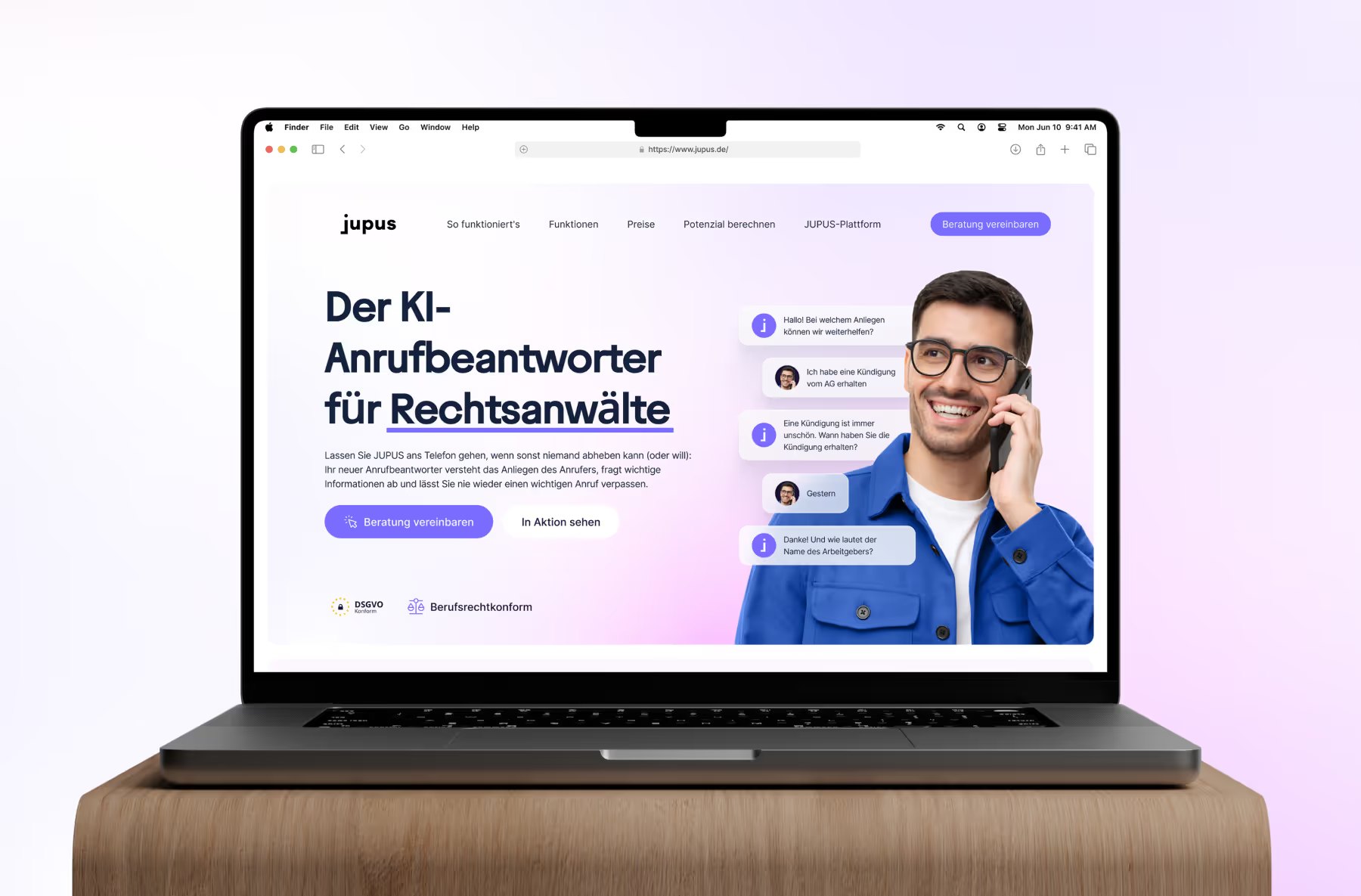
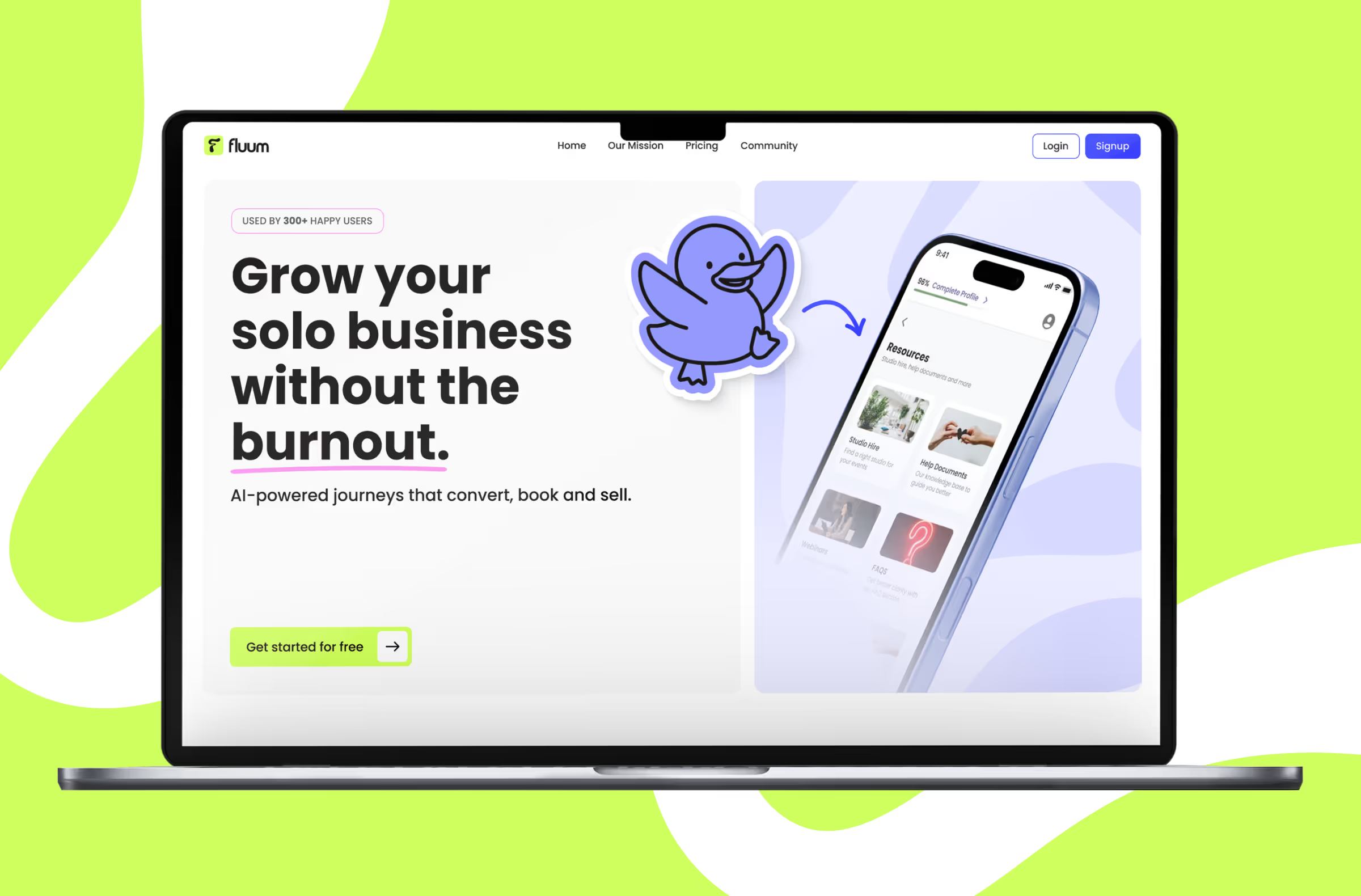
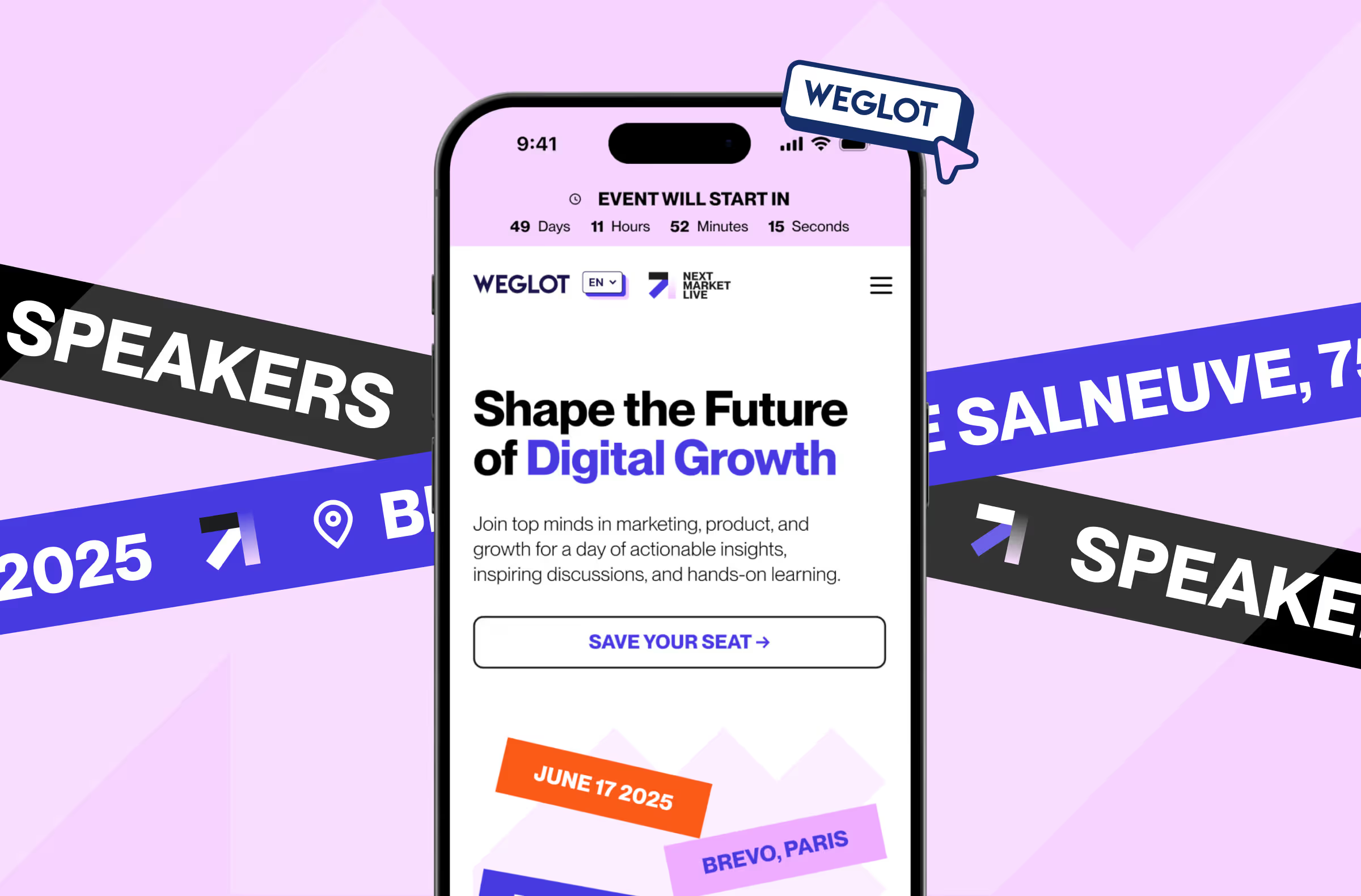
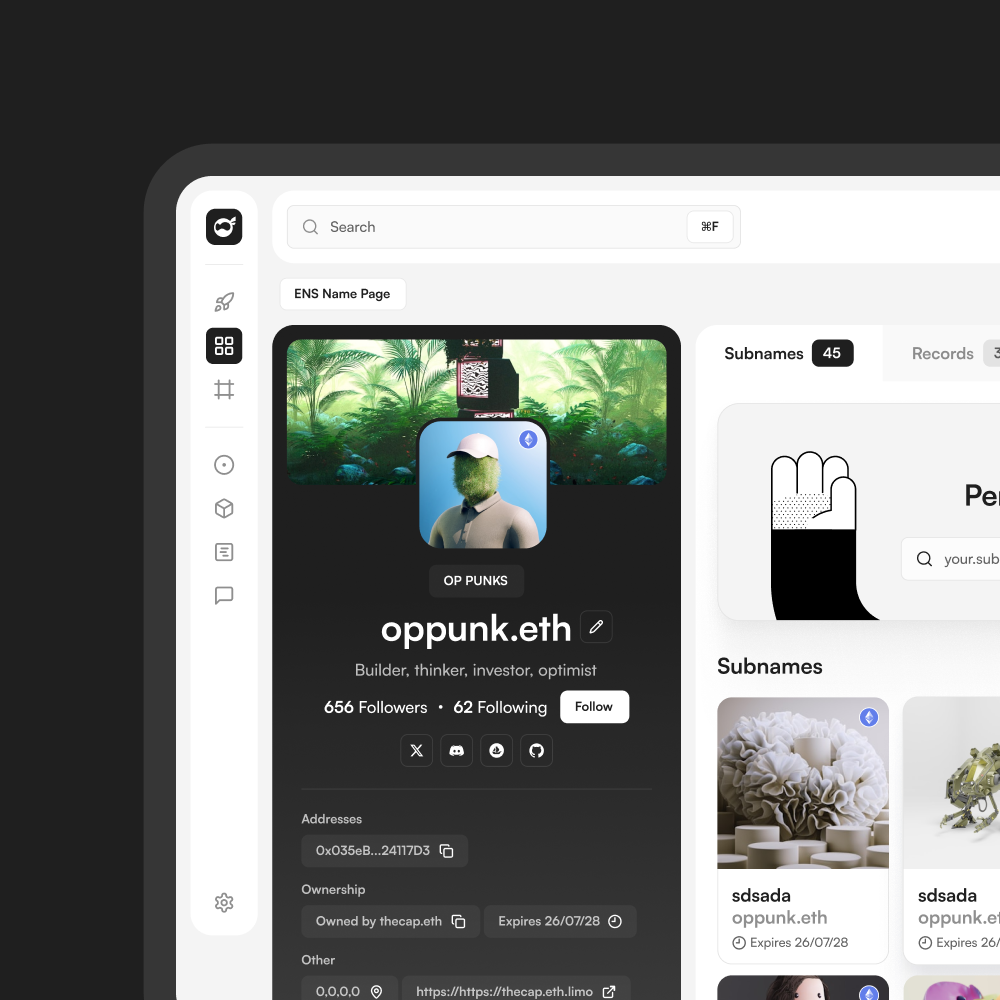
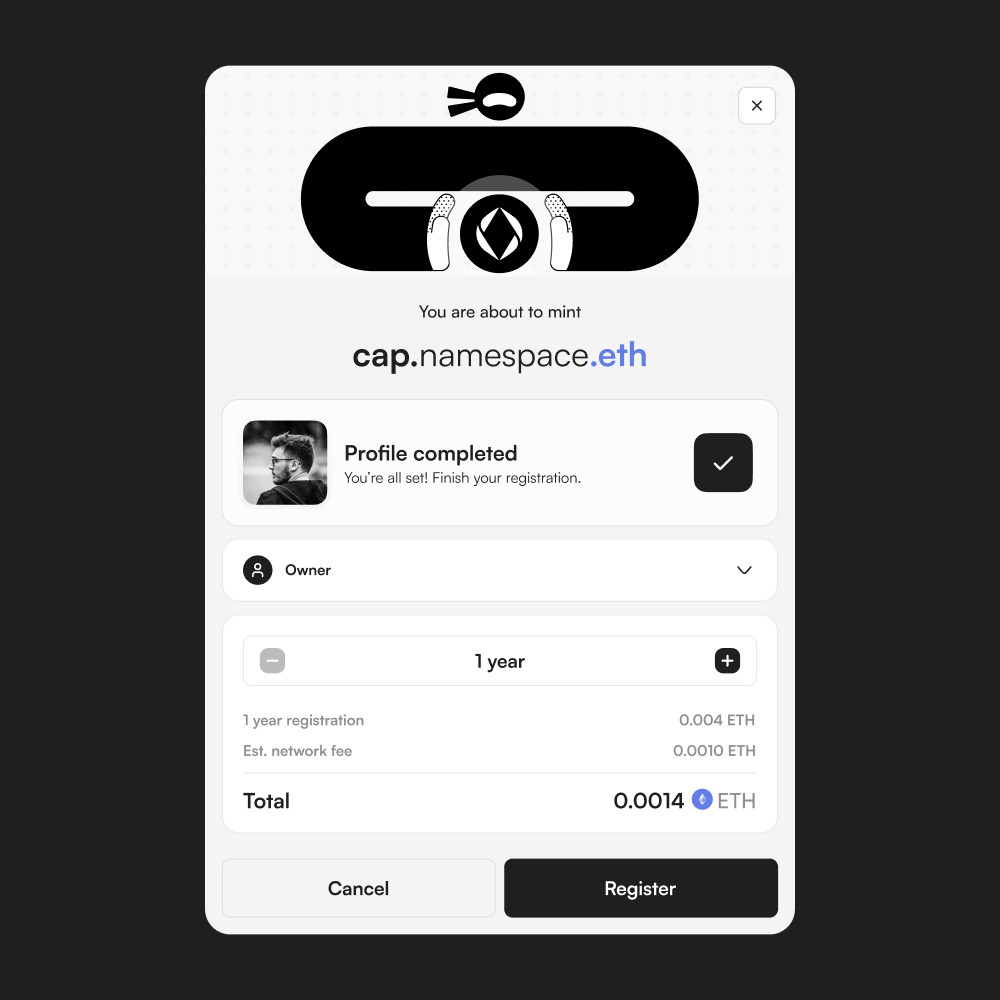
magier didn't just handle branding. hey designed and polished Namespace's actual product interfaces, including new apps and landing pages for namespace.ninja and resolvio.xyz. For a team that had always gone straight from idea to code without a design stage, this introduced an entirely new step in the workflow: properly designed, UI/UX-ready files that the dev team could build from directly.
An investor-ready pitch deck
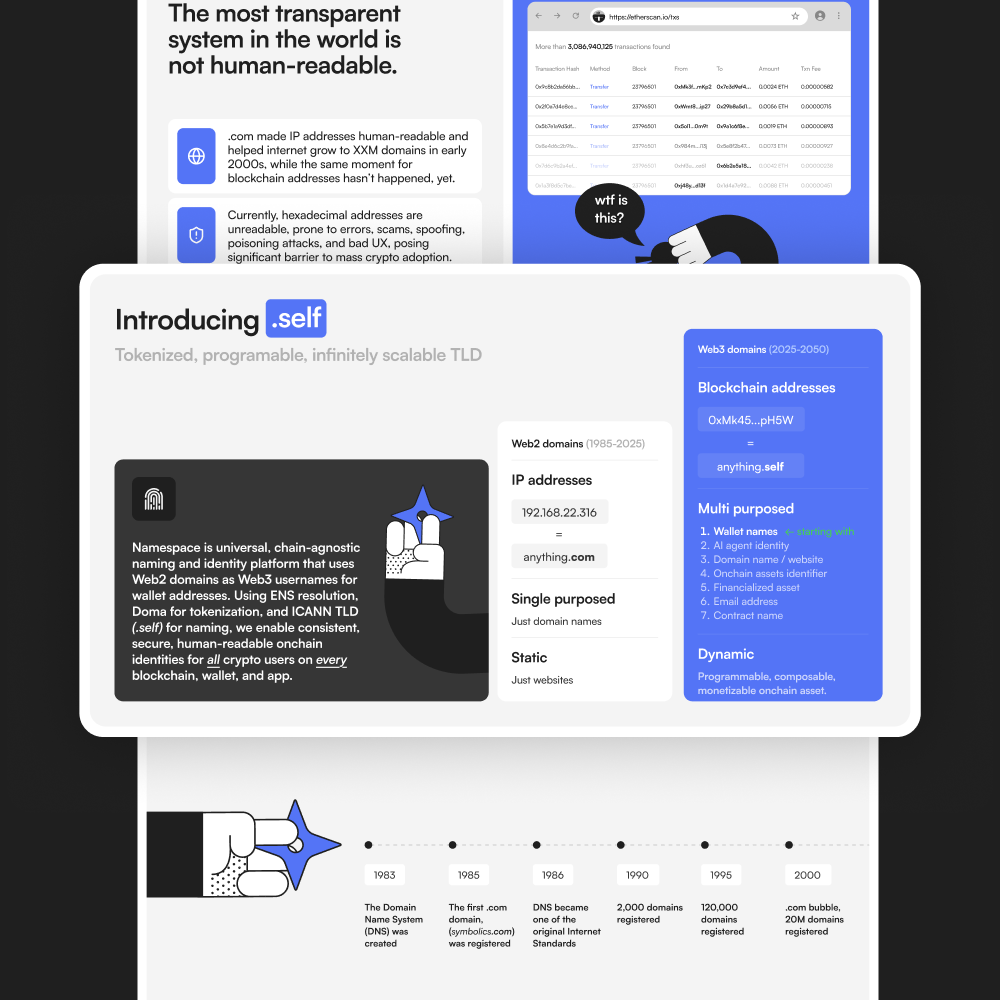
When Namespace was exploring a fundraising round for a related venture, magier designed the pitch deck. Kris sent it to multiple people for review, and the consistent feedback was that it was exceptional. The quality of the deck made an impression beyond its content.
“Anyone I send it to, for the quality of the pitch deck, everyone just said, this is just freaking beautiful."
A subscription model that actually delivered
At the usual monthly cost, the subscription replaced what would have otherwise cost tens of thousands per project with freelancers. Kris could submit a request and have someone from the magier team working on it within days. Namespace was assigned a dedicated Art Director (along with a team of designers), Lorenzo, who knew the brand and could deliver without repeated onboarding. For a small team that needed consistent output across many projects, this model eliminated the overhead of managing multiple freelancers or negotiating fees project by project.
"We wanted to work with an Art Director because we'd seen what happens without it. Clients had to do the quality check themselves, which defeats the purpose of outsourcing in the first place. It costs us more to staff it, but clients get fewer revision rounds and better first drafts."

Results
Working with magier changed how Namespace operated as a company. Here's what that looked like after nine months of collaboration.
Design became a real step in the product workflow
Before magier, design was something that happened reactively, patching up an MVP after the fact. After magier, Namespace had a proper production sequence: come up with the idea, define the features, get the designs done, then hand them off to the dev team. That middle step, the one that was always missing, finally existed.
The founder got his time back
Kris was no longer the person responsible for every wireframe, layout decision, and visual detail. He described the shift as "peace of mind," the ability to fully delegate the visual side of the product and trust that it would come back right. For a founder who was also running product, strategy, and business development, that freed up significant capacity.
Consistent brand quality across everything
The Figma file from the collaboration grew so large that Kris's machine struggled to open it. That volume reflects the breadth of what was produced: mascot, logo, flag, app interfaces, landing pages, pitch deck, and more. All of it came from the same team, with the same design language, which meant Namespace started looking and feeling like one cohesive brand instead of a collection of individually patched products.
Real value compared to the alternatives
The contrast between magier's subscription and the alternatives Kris had explored was stark. Single-project quotes from crypto-space freelancers ran between €10,000 and €30,000. With magier, Namespace got continuous design support across branding, product, and investor materials for €3,000 per month. Kris put it simply: "You guys are definitely worth the money."
"magier has a very well-developed system that's kind of just streamlined everything nicely. I've been working with Lorenzo, shout out to him. He's super nice, super fun, and has always been there."
Advice for other founders
When asked what type of company would benefit most from working with magier, Kris pointed to two groups: startups that are building actively and need design support without the overhead of a full creative hire, and outsourcing companies that work project by project and constantly need new designs produced.
His recommendation came with a personal endorsement. Kris mentioned that he rarely recommends services to people in his network, but magier was one of the few exceptions. He described the experience as a well-organized, streamlined system that delivered consistently from day one.
"It's like a one-stop shop for all design needs. Not only is the team really well organized, but they also give you peace of mind, which you cannot find anywhere else."

Namespace is the official ENS (Ethereum Name Service) service provider, backed by ENS DAO. They build and operate Web3 naming and identity infrastructure.


.avif)
.avif)

.avif)




.avif)